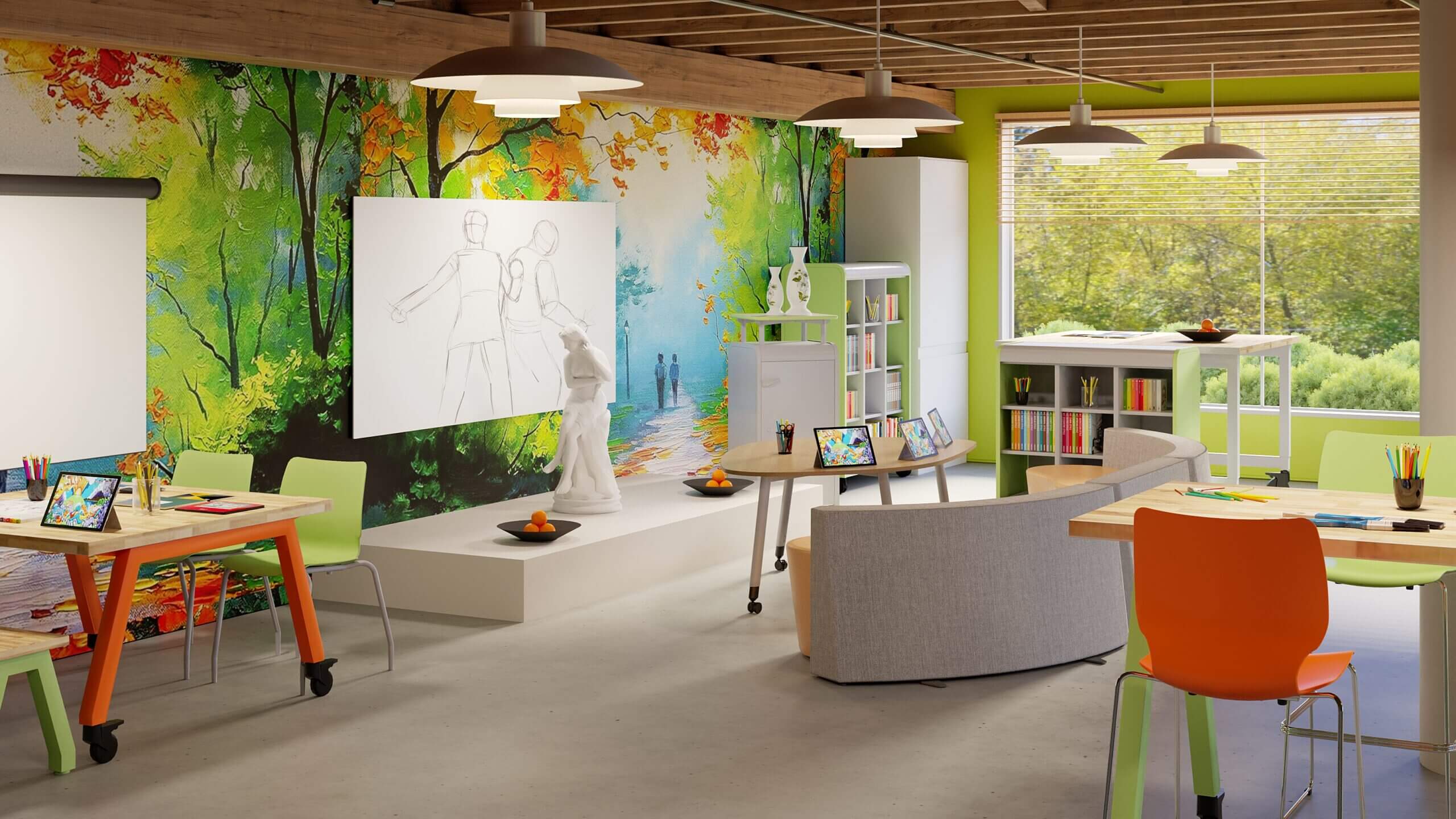
Primary schools should give students more time for creative subjects because art, music and drama can support students' learning rather than simply taking time away from academic subjects.
Argument 1
Primary schools should give students more time for creative subjects because art, music and drama can support students' learning rather than simply taking time away from academic subjects. The UK's Education Endowment Foundation (EEF) reviewed 80 studies on arts participation, including art, music, drama and dance. Their research found that students who participated in arts activities made, on average, the equivalent of about three additional months of academic progress compared with students who did not participate. The benefits were found across subjects including English, maths and science. This suggests that creative subjects do not necessarily take away from academic learning and can actually support students' overall development.
Argument 2
Primary schools should also provide more time for music because musical training can help children develop important thinking and self-management skills. A 2025 meta-analysis examined 46 studies involving 3,530 children and found a statistically significant improvement in children's executive functions following musical training. Executive functions include skills such as working memory, attention, planning, controlling impulses and switching between tasks. These skills are important in school because children need to concentrate, remember instructions, manage distractions and plan their work. Therefore, giving students more opportunities to learn music could help them develop skills that are useful both inside and outside the classroom.
Argument 3
Finally, primary schools should give students more time for creative subjects because they provide opportunities for children to express themselves, develop creativity and become more confident. UNESCO identifies arts education as supporting skills including creativity, critical thinking, empathy and collaboration. Research into drama education has also found links between drama activities and skills such as communication, collaboration, imagination and independent thinking. Creative subjects allow students to experiment with their own ideas instead of always having to find one correct answer, while performing, creating artwork and making music can give children opportunities to express themselves. Therefore, more time for creative subjects could help children develop important personal and social skills alongside their academic abilities.
Conclusion
Overall, primary schools should give students more time for creative subjects because art, music and drama can support academic learning, strengthen important thinking and self-management skills, and help children become more creative, confident and expressive. The evidence shows that creative subjects are not simply a distraction from traditional academic subjects. Instead, they can contribute to children's development both inside and outside the classroom. Giving students more opportunities to create, perform and explore their ideas could help them become more well-rounded learners while still making strong academic progress.